ANTHROPOLOGY of MOTHERHOOD
is an ongoing curation of artwork and design that engages in the complex visual, material, emotional, corporeal and lived experiences of motherhood, care-giving, parenting, nurturing and maternal labor.
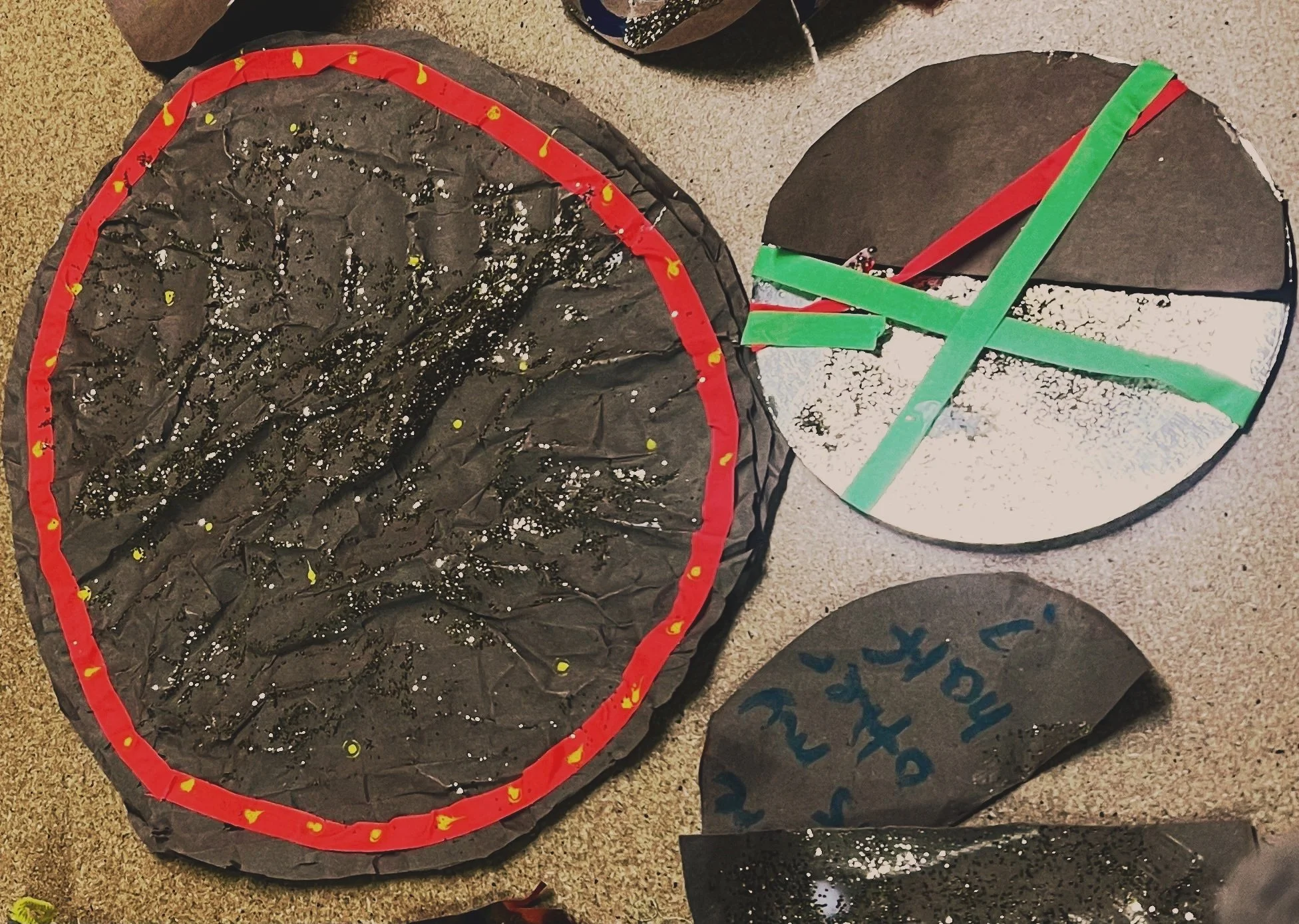
Image Description: Layered brown paper with wrinkled texture and glitter in a circle moon shape, red paper cut in a thin frame around the edge, and other cut bits of paper and supplies to depict the creative process.
Brown Moon | Play Date
UPDATE: PLAY DATE CANCELLED.
We'd love for you to join us for a Play Date!
Date: 10/10/ 2026
Time:3:30-5:30
Location: 7800 Susquehanna
Suite 207, Pittsburgh, PA 15208
Brown Moon | Play Date invites children, caregivers, and community members of all ages—especially those ages 3–7—into a participatory experience exploring musical storytelling around the phases of the moon together. Blending shared activities, the experience encourages collective authorship, imagination, and reflection across generations.
Play Date is part of Anthropology of Motherhood and Radiant Hall's collaborative residency for caregiving creatives.
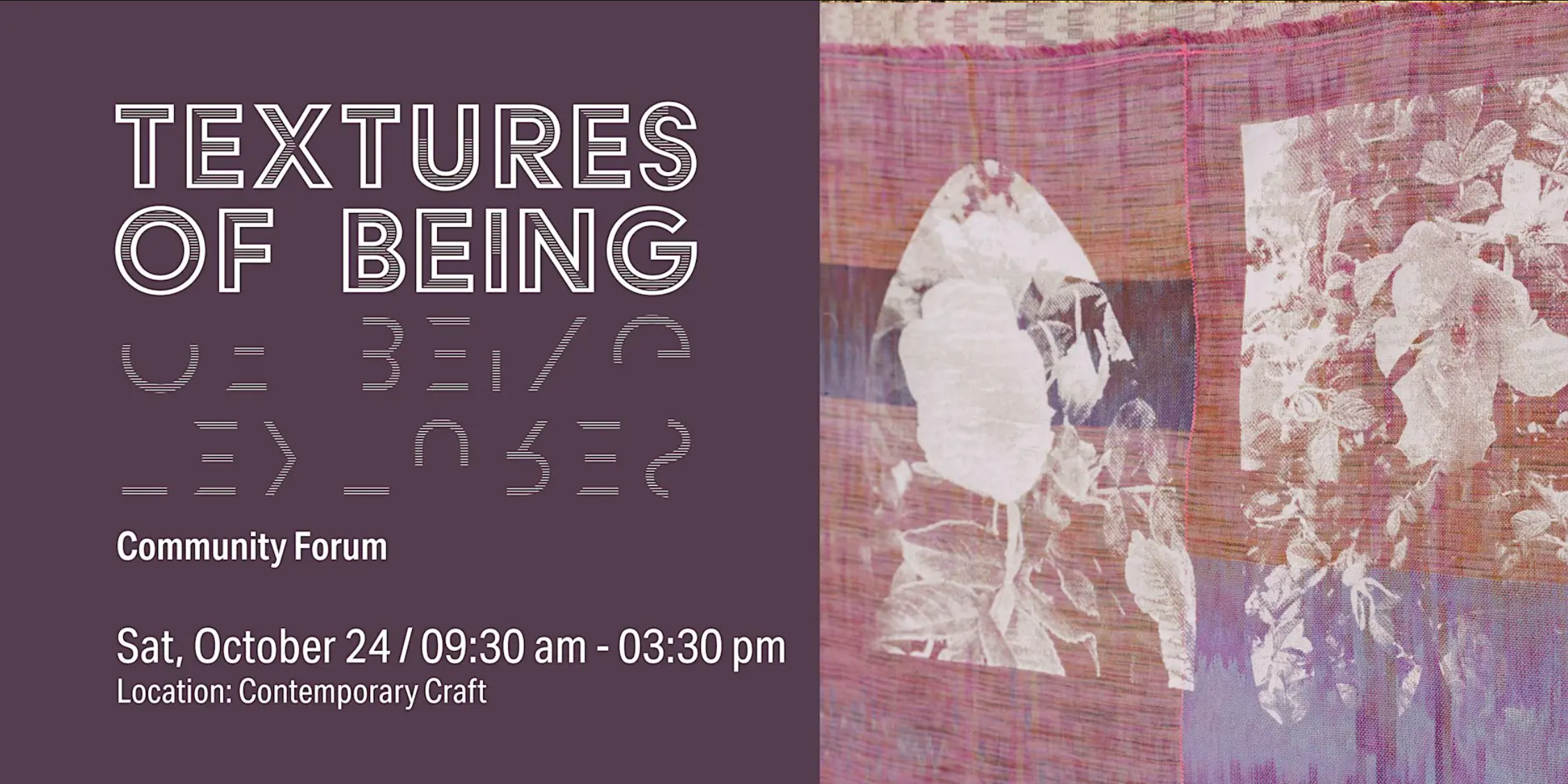
Lavender square on left with text: “TEXTURES OF BEING, Community Forum, Sat, October 24/09:30 am - 03:30 pm, Location: Contemporary Craft” with broken shadow text of “Textures of Being” right below the ledgible title.
On the right is photography of flowers and leaves seen in a monochromatic white film negative style layered on top of textured pink and lavender cloth banners. Photo: Chelsea Clarke, Courtesy of the Artist
Textures of Being Community Forum
Contemporary Craft - Raphael Building, Pittsburgh, PA
Saturday, October 24 • 9:30 AM - 3:30 PM
Textures of Being Community Forum is an intimate, daylong program presented through a collaboration between Contemporary Craft and Anthropology of Motherhood. Centered on disability, accessibility, the body, and artistic practice, the forum brings together artists, advocates, and cultural leaders to consider how access shapes the ways we communicate, create, organize, and participate in community life.
The program will feature three complementary presentations. Artist and self-advocate Mark Steidl will address creative voice, communication, and the importance of disabled people telling their own stories. Kristen Link of The Woodlands Foundation will discuss how organizations can move beyond individual accommodations to build sustained cultures of access and belonging. Artists from the Anthropology of Motherhood: Deaf & Disability Art Exhibition will share how Deaf and disability culture, caregiving, embodiment, and access inform their artistic processes and relationships with audiences.
Through presentations, facilitated conversation, and an interactive “Cards for Inclusion” activity, participants will explore accessibility not as an afterthought, but as a creative, relational, and institutional practice. The forum is designed for a small group of approximately 25 participants, allowing space for meaningful dialogue, shared learning, and connection.
American Sign Language (ASL) interpretation will be provided at this program.
If you require accomodation to fully participate in this activity, please indicate in the registration form. Accomodations for individuals will be reviewed/provided at least an 15-day advance notice. Thank you!
Lunch in buffet style will be provided for this event. Please indicate any dietary restrictions in the registration form.
(Optional) Following the day-long forum, please join us in celebrating the opening of Community Voices: Creative Citizen Studios from 3:30 - 5:00 pm. Community Voices features artists from Creative Citizen Studios (CCS), a Pittsburgh-based nonprofit that provides inclusive arts education and professional development for artists with intellectual and developmental disabilities. Through workshops, community collaborations, and exhibitions, CCS empowers artists to express their unique voices, build confidence, and engage meaningfully with the broader arts community.